
On the Ball Defense: Stay Head Up, Stay in Front
For the last month or so, I’ve been helping a former player of mine coach a fairly talented 16U travel team. After several practices and games, I approached one of the players and asked him what his thought process was when his man had the ball on the perimeter. His answer came quickly and confidently, “I try to force him to his weak hand.”
To which I replied diplomatically, “You’re putting a lot of pressure on yourself forcing and you’re getting beat a lot. Why don’t you just play the man head-up and stay between him and the basket as much as possible and just be aware of his strong hand?”
The player easily agreed and proceeded to stay between his man and the basket pretty much the rest of the tournament-no matter how strong a match-up he had.
I obviously have no quarrel with systems that force middle or sideline into help or doubles. But I’ve always had issues with opponents needlessly getting into seams and drawing a helpside defender. While “help” is a very useful tactic, actually the less a defense has to help, the better off that defense becomes. As you well know, help very often leads to over-help, which directly leads to penetrate and pitch treys.
The concept I’ve always promoted is “fake-help”. If the man on the ball is, in fact, staying in front of his man, the helpside defender just needs to be “there” and as the ball approaches him, he is “faking” help but sliding back to his man to get a “tie on the catch.”
With all the screen-roll and dribble-drive offenses out there today, defenders are challenged more than ever to be able effectively guard the ball and not expose their teammates to unnecessary helping.
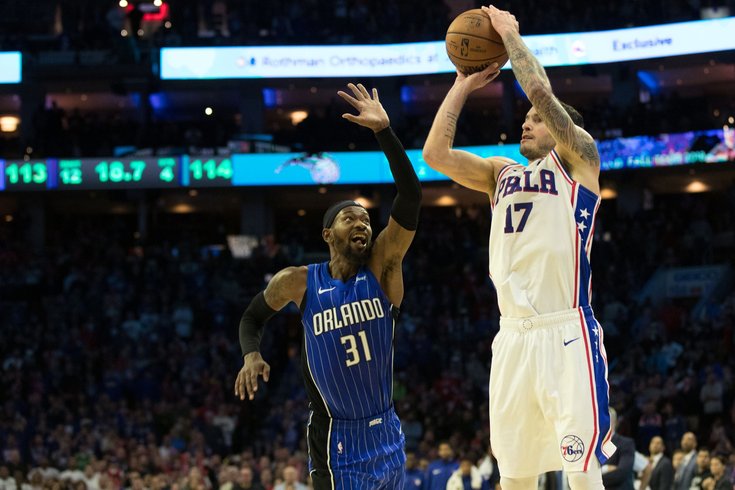
Generally the defender needs an arm’s length away to be close enough to prevent a shot and yet far enough away to prevent needless fouls. But as a wise coach (Adelphi’s Marv Kessler) used to say, “If you’re guarding someone better and/or quicker, space off of him.” In this case, maybe an arm’s length and a half is required to give the defender the best chance to stay in front of his man.
In summary, each player will play in whatever man-to-man defensive system his coach advocates. But, whenever a player is playing outside of a team system, the more he can guard his man “head up” and stay in front of him, the better off he’ll be in the long run.
Teaching Points for Guarding the Ball
Added by Hoop Coach to go with the article above.
- Head up first. Stay between your man and the basket. Know his strong hand, but don’t give up the straight line to the rim trying to take it away.
- Arm’s length cushion. Close enough to bother the shot, far enough to avoid reach-in fouls. Against a quicker player, give an arm’s length and a half.
- Stance. Feet a little wider than the shoulders, knees bent, weight on the balls of the feet, back straight and eyes on the ball handler’s midsection.
- Move the feet, not the hands. Slide without crossing or clicking the heels. Players who reach get beat.
- Don’t create help. Every time the ball gets into a seam, a teammate has to leave his man. Staying in front is what keeps the rest of the defense honest.
- Fake help on the weak side. Helpside defenders show, then slide back to their man so they’re there on the catch.
The summation of the little things can make a player a much faster, better defender.
Common Mistakes
- Over-forcing a direction. Turning the body to force a hand opens a straight drive the other way.
- Crowding a quicker player. Too tight and one first step beats you.
- Standing up. Defenders who rise out of their stance lose a step on every change of direction.
- Over-helping. Help that isn’t needed leaves a shooter open for the kick-out three.
Drills for On the Ball Defense
- Zig Zag Defensive Drill: full court footwork and staying in front
- Defensive Slides Drill with Danny Manning: slides and conditioning
- 1 on 1 Offense and Defense Drill: live one on one
- Wildcat Closeout Drill: closing out long or short
- Helpside Defense with Bob Knight: the help side of the picture
- Two Man Shell Drill: closeouts, keeping the ball out of the middle and help
How do you teach your players to guard the ball? What is your system and why?

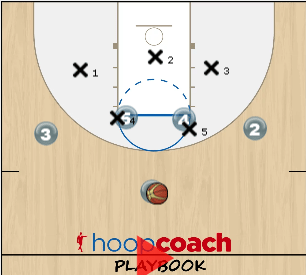

We want the ball in the corner because that is where there are fewest offensive options. Therefore we teach force sideline and down (toward the baseline). When the ball is in the corner, don’t let it out (make the wing go backdoor)
We pressure the ball and stop the drive (a total reversal of philosophy from the 80’s when we contained the ball). If the ball is “up top”, play as you described. But. when the ball is on the wing, the defender’s position looks like a wing in a 1-3-1 (shoulders parallel to the sideline, take away the dribble to the top that would set up the pick and roll/pop plays). We then play a pack line concept, daring the dribble into our defense. We allow the pass into the corner (unless that is a great shooter).
A have a basketball creation that is a little similar to yours,and I think that it is very effective.My creation is the ASL basketball defense concept. I also have a creation called the magnet system of offense. this is my twitter account/handle @HoopsAsia